A Day in the Life of Seezo’s Account Executive
|
People of Seezo
Meet the people building Seezo: Kayla Conrad, Seezo’s first Account Executive, on how she got into cybersecurity sales and how she thinks about the product and customers
Sales roles in cybersecurity are often imagined as fast pipelines, constant demos, and aggressive quotas. The reality at Seezo looks different.
Because the product sits at the intersection of application security, architecture, and developer workflows, customer conversations tend to be deeper. Sales, product, and engineering collaborate closely, and the feedback loop between customers and the platform is tight.
We spoke with Kayla Conrad, Seezo’s first Account Executive, about how she found her way into cybersecurity sales, what the first 90 days at an early-stage company actually looks like, and how she thinks about the product and the customers she works with every day.

You studied to be a teacher. How does someone end up selling application security software?
I started out wanting to be a teacher. I love kids, and that was genuinely where my head was. But I also knew I wanted a career where I could really develop my social skills and put them to work professionally.
My first sales role was selling mortgages, where I built strong customer empathy and social selling skills. But I realized I wanted a role where I could grow as a professional and develop those skills in a more structured, long-term career.
So I moved into B2B sales and landed a BDR role at a cybersecurity company. I was there for over two and a half years. I was learning how SaaS worked, who the buyers were, and how sales cycles moved in enterprise security.
Then the company went through a restructuring, and I started looking for something new.
I connected with Kabir on LinkedIn and set up an interview. What drew me to Seezo was partly that it was still cybersecurity. I already had context around the types of buyers and problems. But mostly it was the scope of the role. At my previous company I was on the first rung of the sales cycle. Here, I could be part of the entire journey: discovering prospects, running demos, managing customers, helping close deals.
That kind of full-funnel experience is something you can really only get at an early-stage company. And I liked the idea of helping shape the sales motion itself, not just running someone else’s playbook.
What does a typical day actually look like?
A little bit of everything.
Part of my day is prospecting, reaching out to AppSec leaders on LinkedIn, sending messages, following up with people who accepted connection requests.
Another big part of the day is working with Kabir. We talk at least once a day, often more.
We spend a lot of time figuring out things like:
which prospects to prioritize
how to unblock stalled security deals
what messaging actually lands with security leaders in the sales cycle
That’s constantly evolving because the product itself evolves quickly.
The rest of the day is managing deals in different stages: nurturing prospects, preparing contracts, running demos, and helping move conversations forward.
You ran your first demo much earlier than expected. What happened there?
The team’s original timeline for me to run my own demo was six months. I did it after about 45 days.
Rakshitha and Sandesh were glad to hand demos off to me. As the company grows, their time is increasingly pulled toward product, engineering, and the bigger strategic bets that only founders can drive.
But wanting to learn fast is only half of it. You also need to be in an environment where good people are accessible and willing to support that learning. That is what made the difference at Seezo. When I had questions, technical or otherwise, someone was always willing to jump in.
Kabir spent a lot of time walking me through the product and the market. The engineering team was open and patient whenever I needed depth on something. That kind of access is what made 45 days possible instead of six months.
The first couple of demos were definitely not perfect. I remember finishing one and thinking that it could have gone better. But you learn much faster by doing things imperfectly than by waiting until you feel completely ready. And really, there is nowhere to go but up.
You’ve joined during a major product update. What is that like from the sales side?
It is fast-paced, but in a good way.
The product recently went through a major update with the recent upgrade, which means our messaging evolves along with it.
Features like the data flow diagrams change how people understand their systems. Instead of looking at a long list of issues, they can first see their architecture visually and understand how components interact. Then when they go into the details, it makes more sense because they have already seen the bigger picture. That visual context makes everything else easier to digest.
Kabir and I spend a lot of time figuring out how to position the product — what language resonates, how customers describe the platform, where we fit in the AppSec ecosystem.
That conversation is never really finished. As the product evolves, the pitch evolves with it.
What I love is that the feedback loop is extremely tight. Rakshita and Sandesh will entertain almost any idea or suggestion. If a customer raises something interesting, it genuinely gets discussed.
Being able to see engineers debating ideas in Slack and watching those ideas turn into product changes is pretty exciting.
Seezo is a deeply technical company. What is it like being one of the few non-engineers?
I sometimes joke that everyone here is an engineer and I am just happy when a software update on my laptop installs properly.
When you join a company where everybody is extremely technical, it is easy to feel imposter syndrome. I had not deeply worked with a security design review product before coming to Seezo. I had cybersecurity context from my previous role, but this was a different level of depth. So there was a real learning curve.
But I was hired to build relationships with customers and help them get the most out of Seezo. That is where I add value, and the team makes it easy to do that well.
Sandesh pushes for everything to happen in public Slack channels, so you can see what is going on in every part of the company. I have been part of marketing discussions. I can see what the engineers are saying on their threads. Whenever I need technical depth, someone is always willing to jump in and help, even across time zones.
At my last company, engineering stuck to engineering. You could talk to them if you had questions, but you did not know what was on their roadmap or what they were working on. Here it is different. Everything feels integrated, and that integration is what lets someone like me grow quickly in a deeply technical environment.
From a customer perspective, what does Seezo do particularly well?
Two things stand out.
The first is customization. The platform adapts to customer workflows rather than forcing teams into a rigid process. If a customer raises an interesting use case or suggests a different way of approaching something, the team genuinely explores it. Rakshita and Sandesh are always open to ideas, and there’s a real willingness to shape the product around how security teams actually work.
The second is how responsive the team is to customers. When teams evaluate Seezo or start using the platform, the level of engagement from our side is very high. If a customer has a question, a request, or needs deeper clarification, the team jumps in quickly and thoughtfully.
I’ve seen engineers take the time to dig into detailed questions, work through the product with the customer, and send back clear explanations or documentation to make sure everything is understood. There’s a real sense of care in how those conversations happen.
That responsiveness and the empathy behind it says a lot about the culture here. There is a real sense of care in how those conversations happen. Customers are interacting with a team that genuinely wants them to succeed.
If someone is reading this and wondering whether Seezo is for them, how would you frame it?
If you are an AppSec team that is tired of spending days, weeks, or months doing security design reviews, and you do not have the manpower or the budget to hire 80 more people to get the job done, then Seezo is specifically built for you.
What does life look like outside of work?
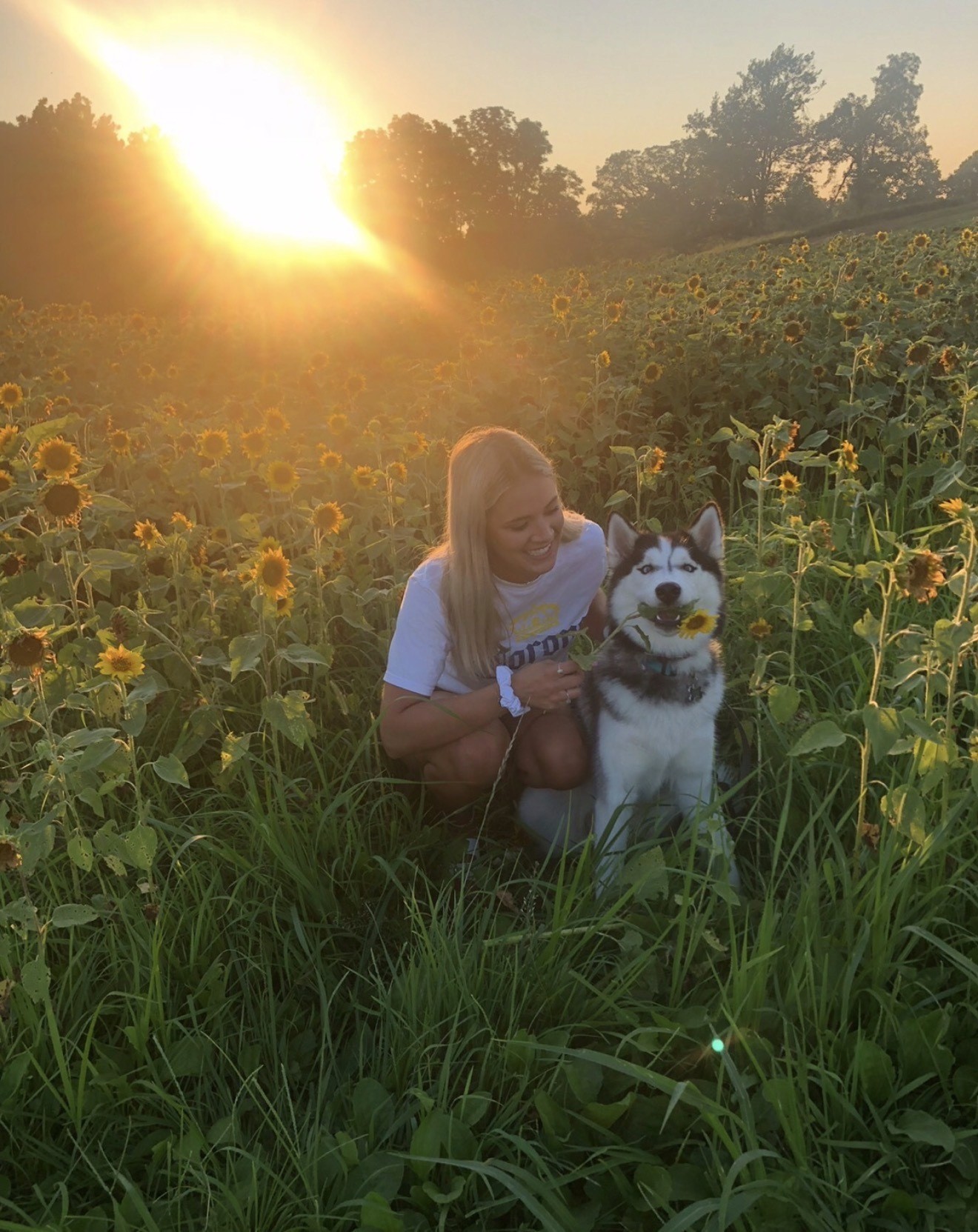
I spend as much time outdoors as possible. That is one of the reasons I moved south to South Carolina. In Pennsylvania it is grey and cold six, seven, sometimes eight months of the year. Down here you can be outside every day. Even when it is cold, the sun is still out. I could never go back up north.
My husband and I go golfing on the weekends. His dad was actually a professional golfer, so he is very good. I am not. I am so bad that I am saving up for lessons so I can actually play with him and not just slow him down.
Sometimes I will look at a hole and say, all right, I am done, you just finish this one because we will be here forever.
Honestly, I am mostly there to enjoy the sunshine and look at people’s backyards along the course. The golf course we go to is built in a neighbourhood with all these beautiful houses around it, and I am just looking in thinking that would be a lovely backyard. Look at their pool with the water slides.
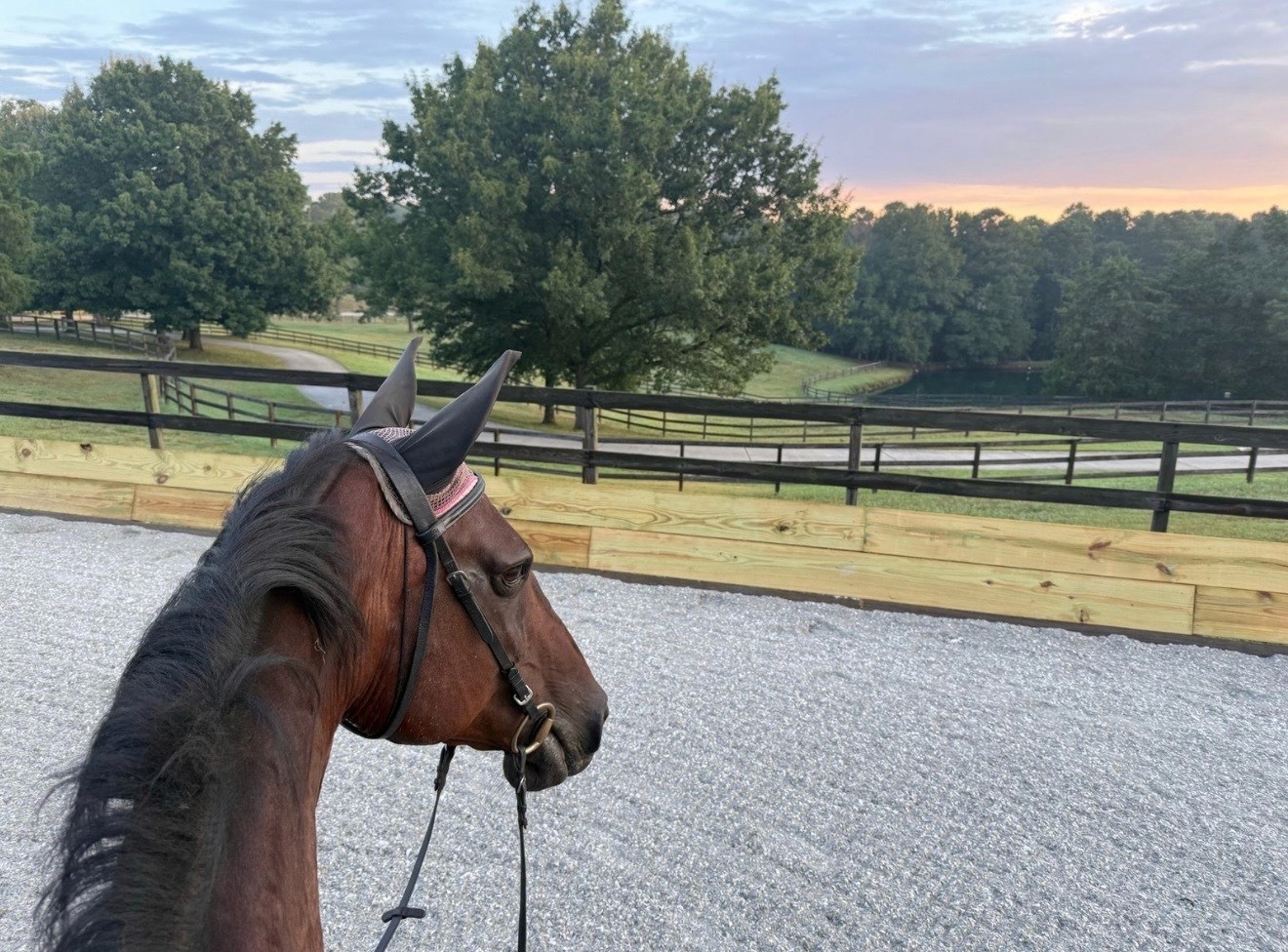
I have also been riding horses my whole life. I ride at a farm near where I live, and that is probably my favourite way to unwind.
And then there are the animals.
Tell us about the animals.
It is a bit of a list.
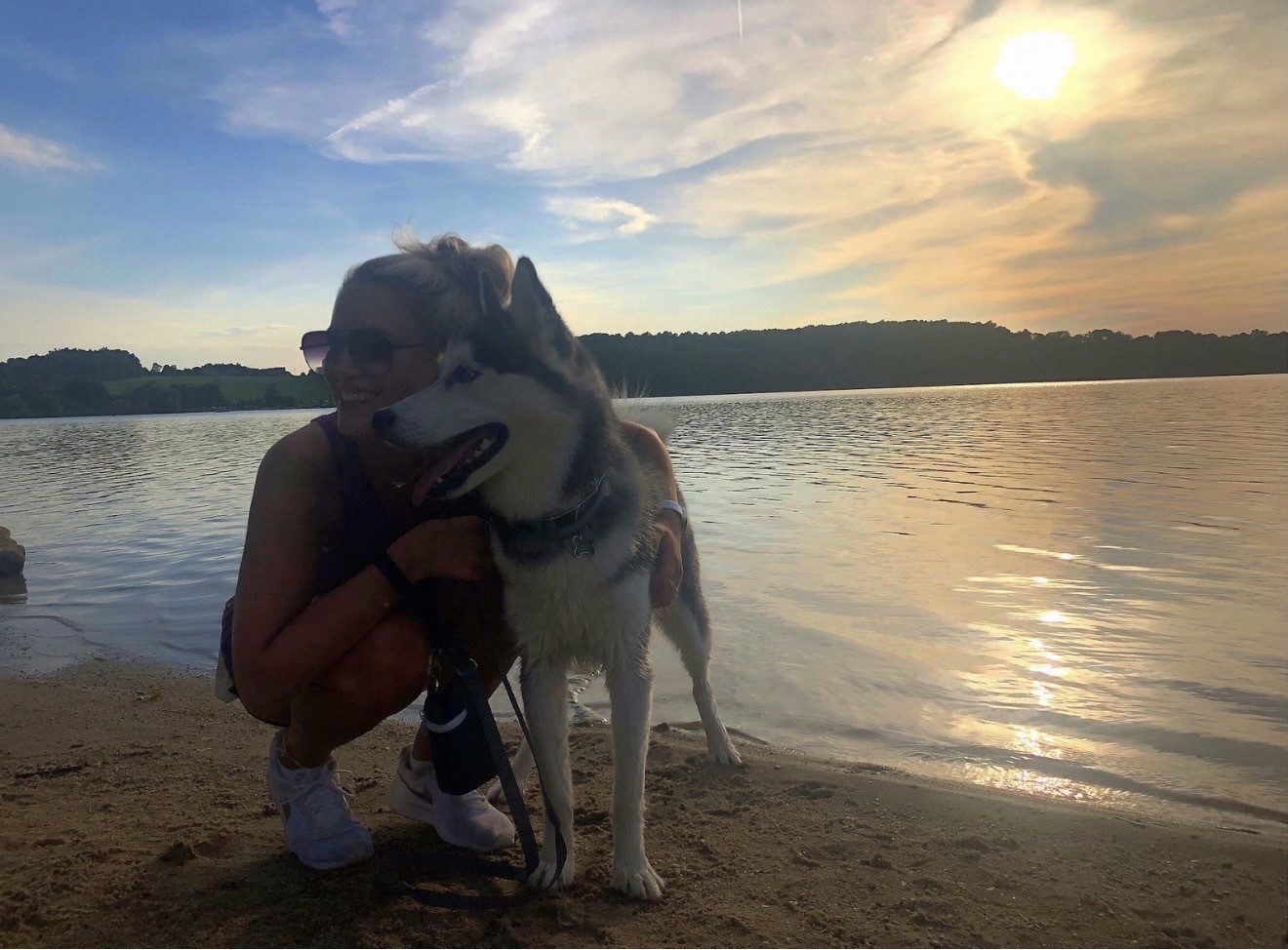
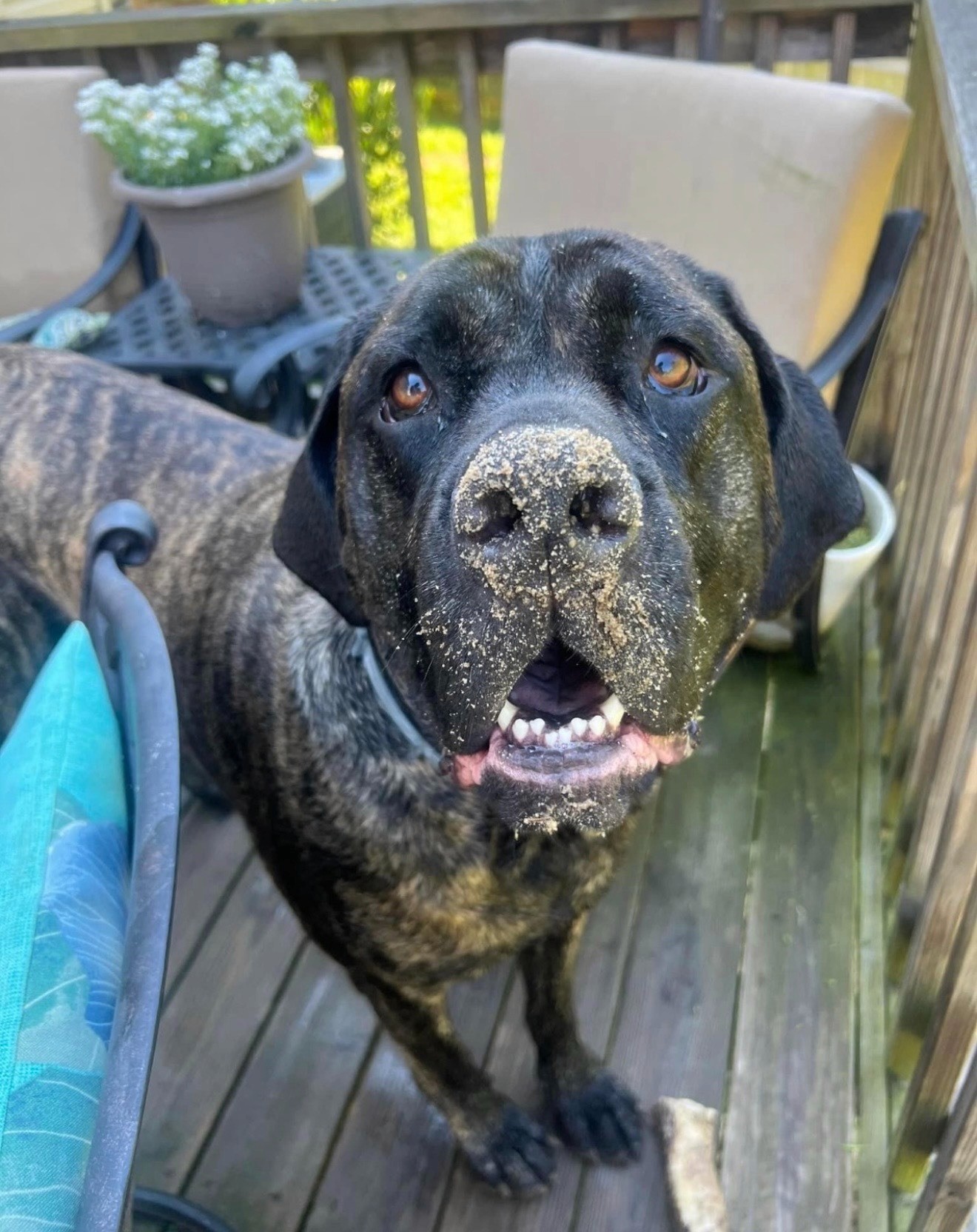
Three dogs, including a 14-year-old I found on the side of the road. We tracked down his previous owner and she basically admitted to dumping him on the street because she was done with him. Four indoor cats. Two guinea pigs. Three outdoor cats on the property. Then there are the strays in the neighbourhood that I feed and look after.
I would not call myself a cat person exactly. There are just so many stray cats in this area that need help. Once you start helping them, it is hard to stop. You go from saying you will just feed this one to realising that you have become a cat person.
But really, I am an animal person.
Has working in cybersecurity changed how you think about security in your own life?
Definitely.
Before this, I had the same password for everything and they were all saved on my computer. I did not even have to think about them.
Now I am a lot more careful. What surprised me is that it also made me think more about physical security, things like home alarms and locks. Cyber and physical security suddenly feel connected in a way they did not before.
Although I should say that my biggest dog weighs close to 200 pounds, so that is a pretty solid security system already.
You’re just over 90 days in. What’s surprised you most about working at Seezo?
Honestly, little has surprised me, in the best way.
I took a big step up from BDR to full-cycle Account Executive and I expected it to be hard. It is. I am learning a new product, running demos, redlining contracts, and building pipeline from scratch. That is a lot to take on at once.
What has made it work is the quality of the product, the quality of the people, and the culture here.
The product is genuinely good. It is easier to sell something you believe in. The people are smart, responsive, and willing to help at any hour. The culture gives you room to try things, make mistakes, and learn quickly.
You are involved in conversations about product, positioning, and customers. Everything. That means you can see your impact very quickly.
I ran my first demo in six weeks instead of six months. I am building a pipeline with my own hands. I am starting to see it move.
What I did not expect is how much I would enjoy it.